MILL TRUNIONS
MILL TRUNIONS
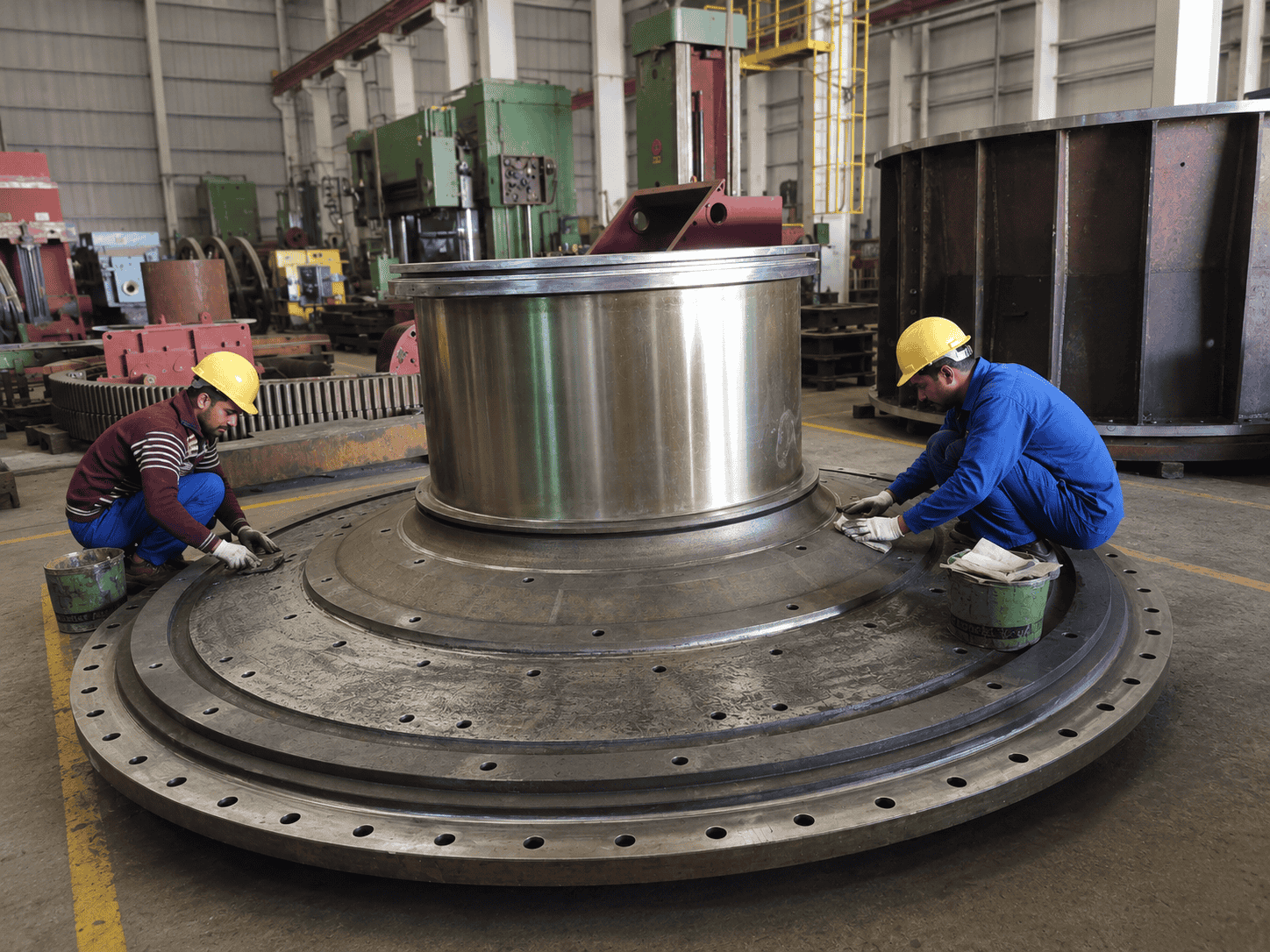
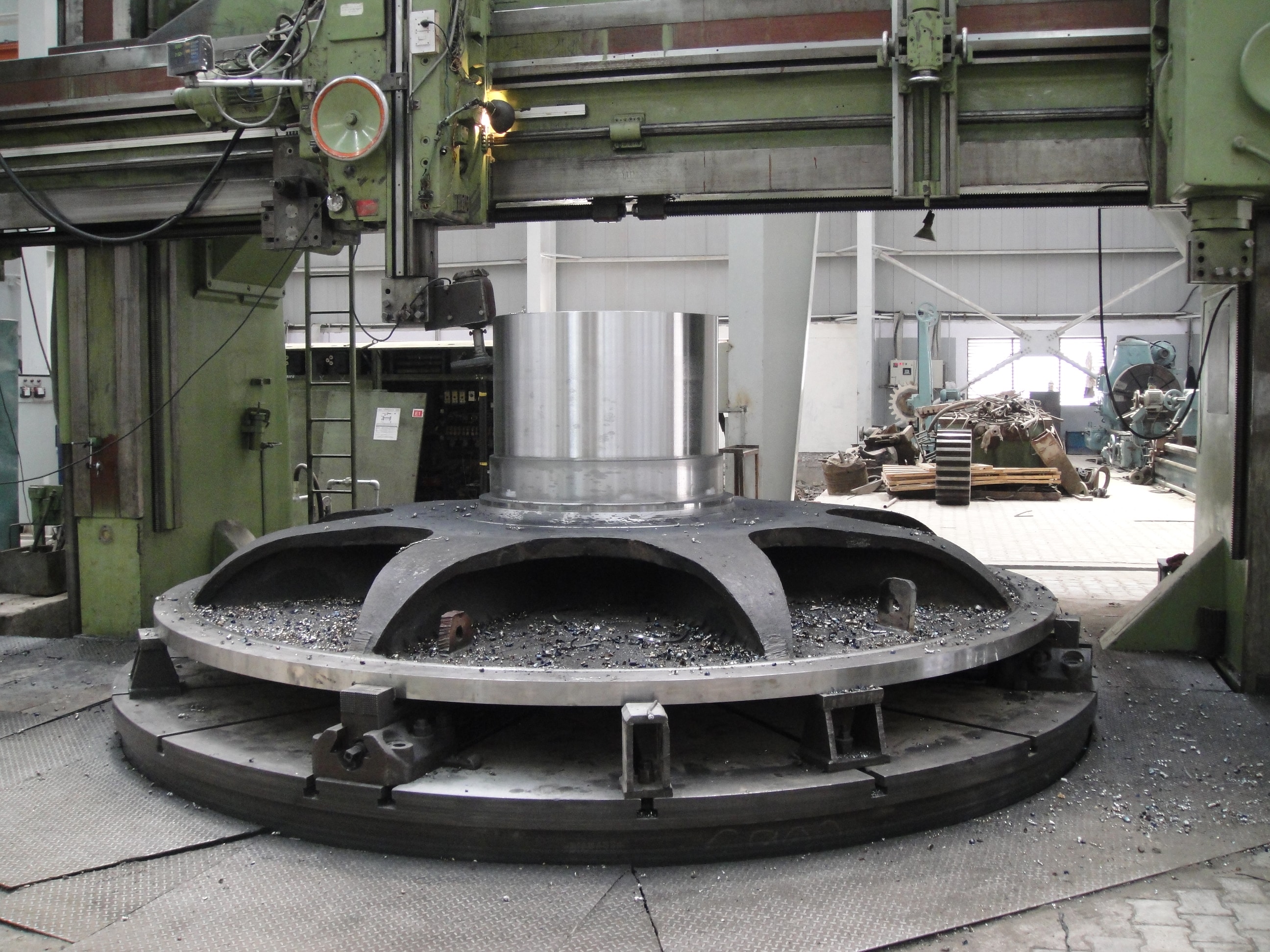
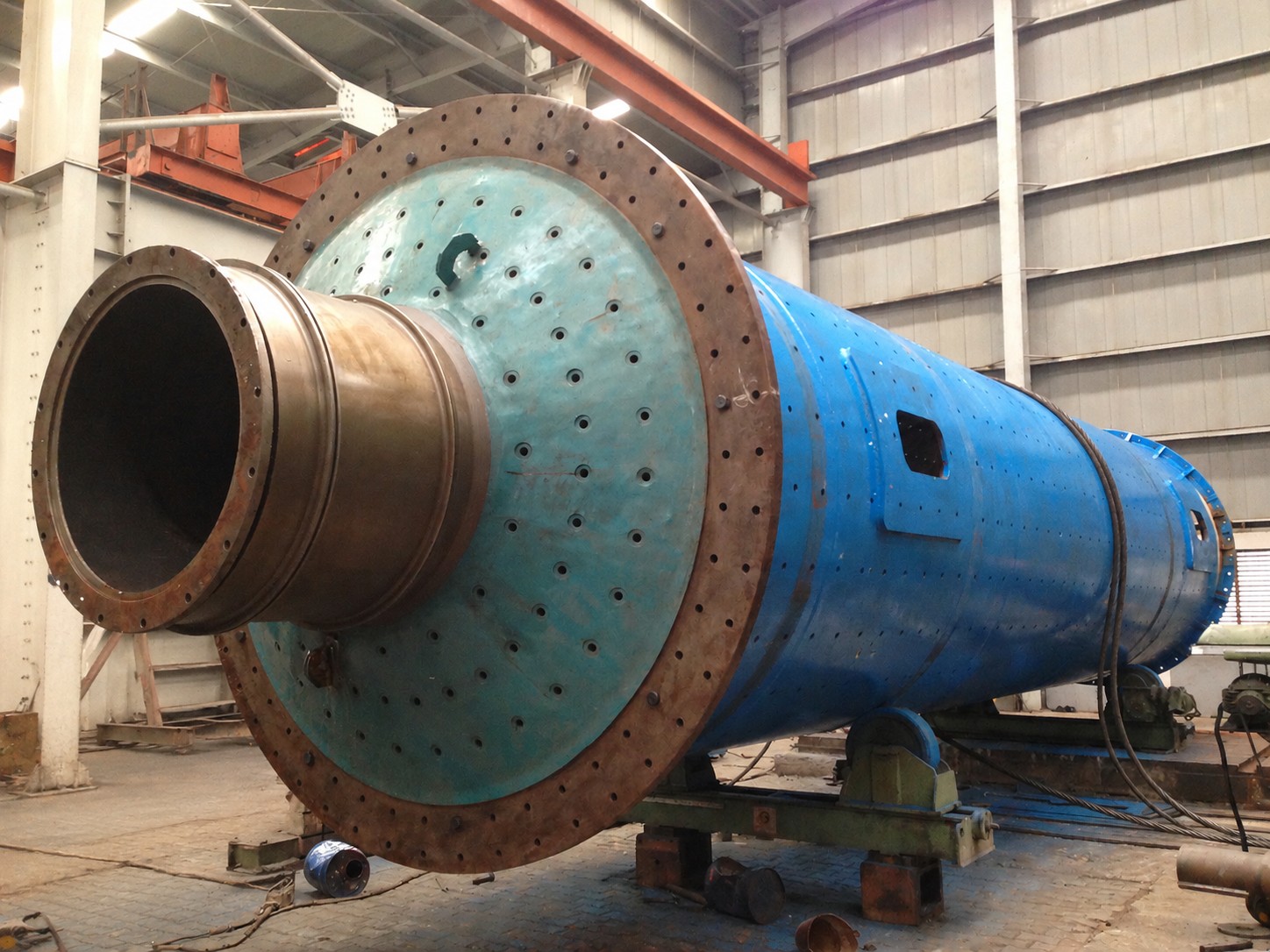
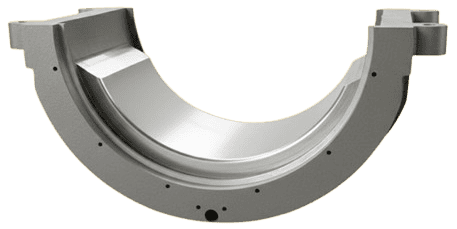
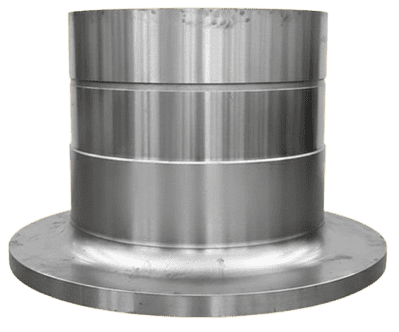
MILL HEADERS (MILL ENDS) AND TRUNNIONS
Design Features
Common Applications
Material of Construction
Some of the common material grades for mill headers are-
• Cast IS 2708 / 2644
• Cast BS 3100 BT1 / BT2 / AW6
• Cast Ductile and SG Irons
• Fabricated from MS IS 2002 / 2062, SA 516 Gr. 70 etc.
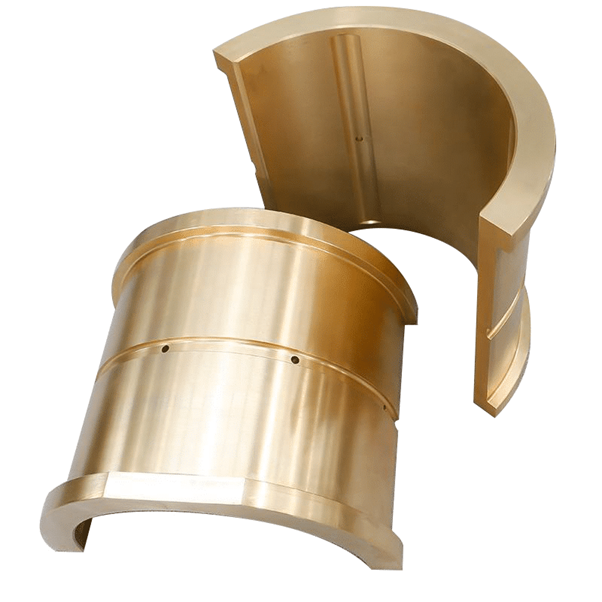
• Ph Bronze for mill bearings
• White Metals for mill bearing sockets
In addition to the above various other grade of castings are possible as per
Manufacturing Capacity
• Suitable for mill diameters up to 6.0 m
• Upto 45 MT weight in single piece
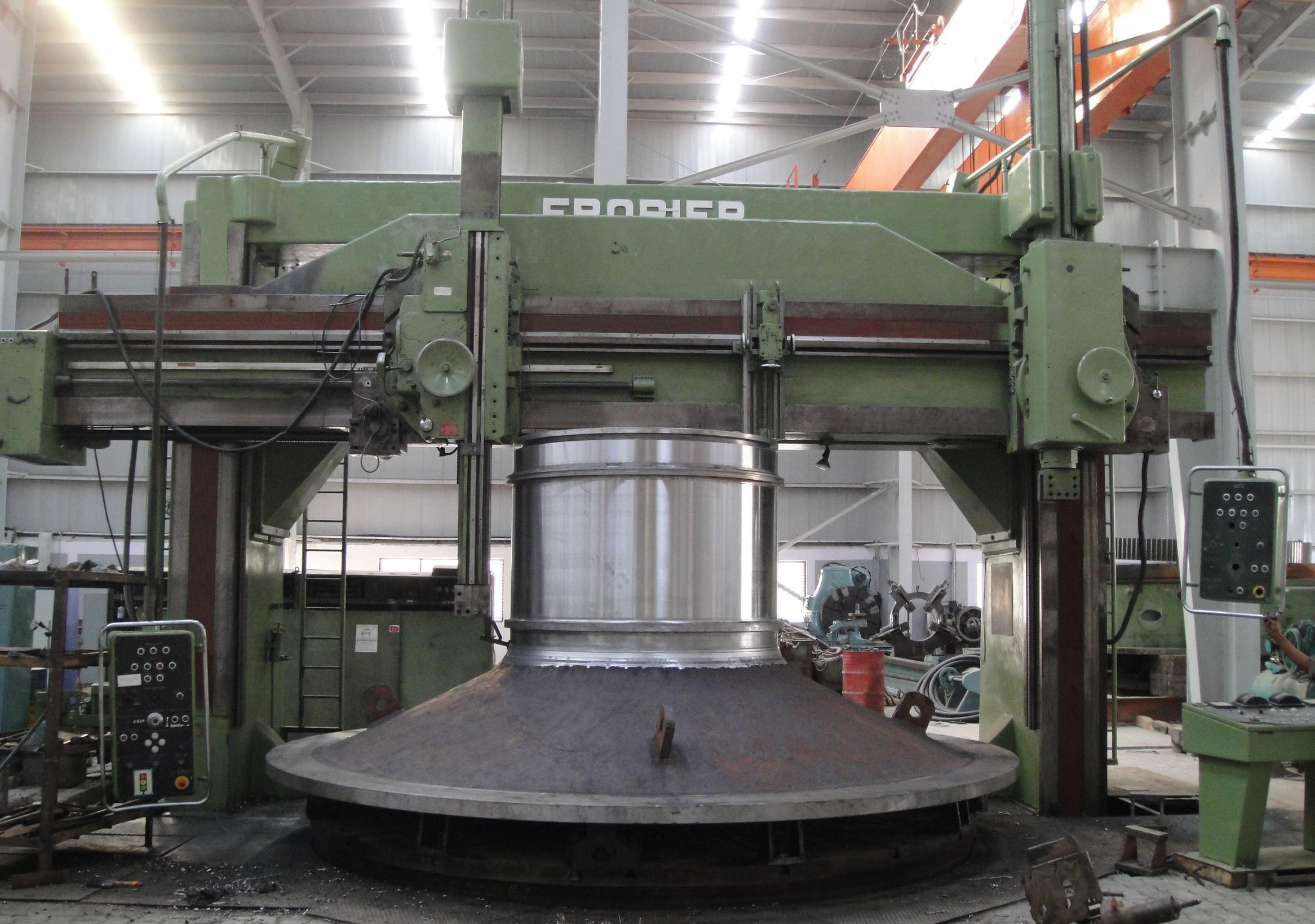
• Bottom cone diameter of 6.0 m x 3.0 m height
Rollers are accurately machined on imported Vertical Turret Lathes (VTL) of makes including FRORIEP, DORRIES, SKODA etc. and shafts are machined using horizontal lathes. ASHOKA has facility to turn a maximum shaft length of 8.0 m up to 2.0 m diameter.
Frequently Asked Questions
We primarily serve the oil & gas, energy, and resource extraction industries. Our expertise spans exploration, offshore drilling, processing management, and asset maintenance, making us a comprehensive partner for end-to-end operations.
We follow strict international safety standards, implement advanced monitoring systems, and conduct regular risk assessments. Our teams are trained in emergency response and operational best practices to ensure safe and efficient drilling in complex environments.
We utilize modern tools such as seismic imaging, geological modeling, and data analytics to assess site viability and resource potential. These technologies help us make informed decisions and optimize development strategies.
We enhance efficiency by optimizing system design, integrating automation, and continuously monitoring performance. This allows us to increase output, reduce waste, and maintain consistent product quality while adhering to safety standards.
Our services include preventive and predictive maintenance, real-time equipment monitoring, inspections, and lifecycle management. These measures help reduce downtime, extend asset life, and ensure reliable long-term operations.