KILN SHELLS

4,20,000

KILN SHELLS

GEAR DESIGNING- CAD

Design Features

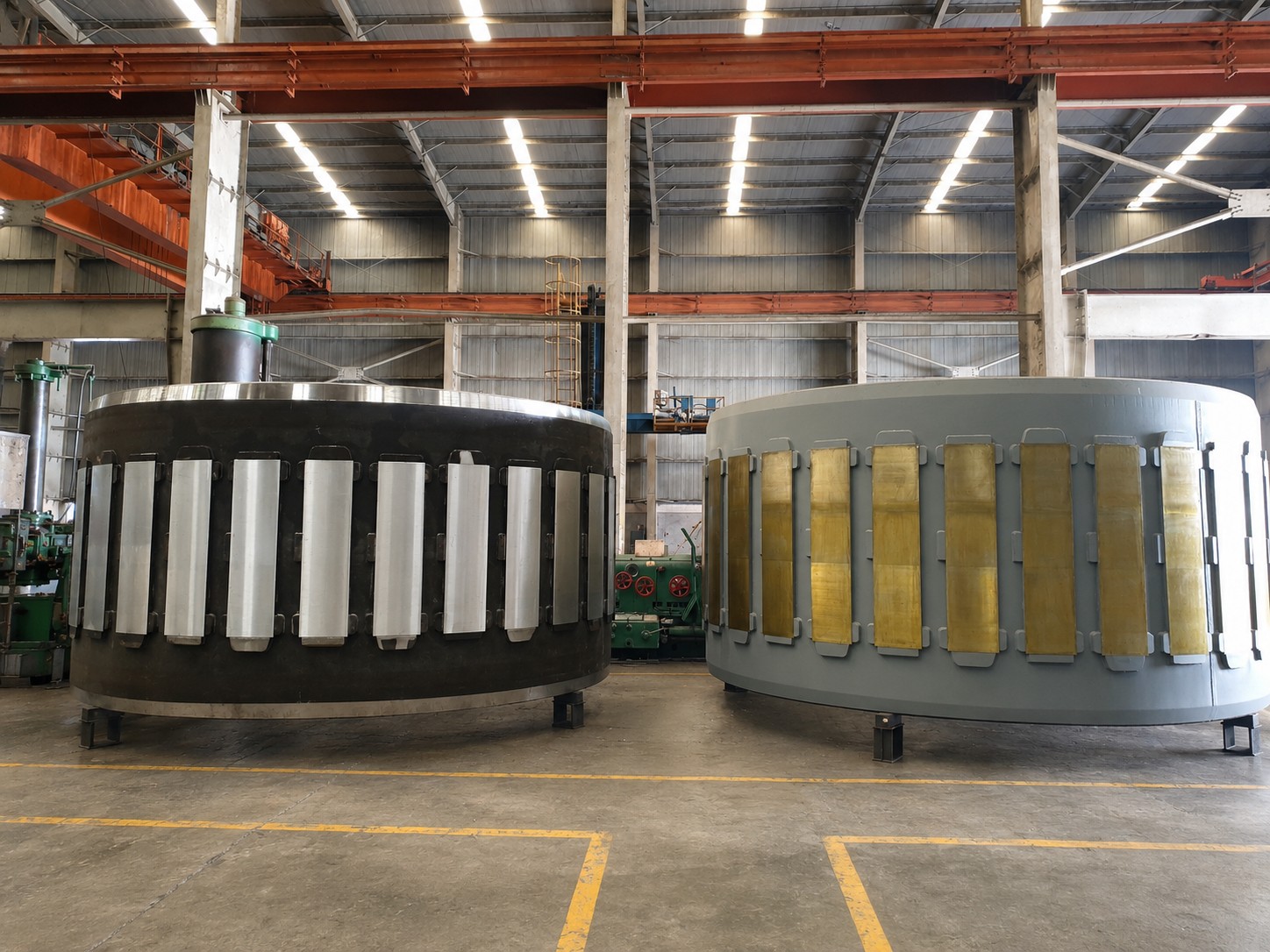
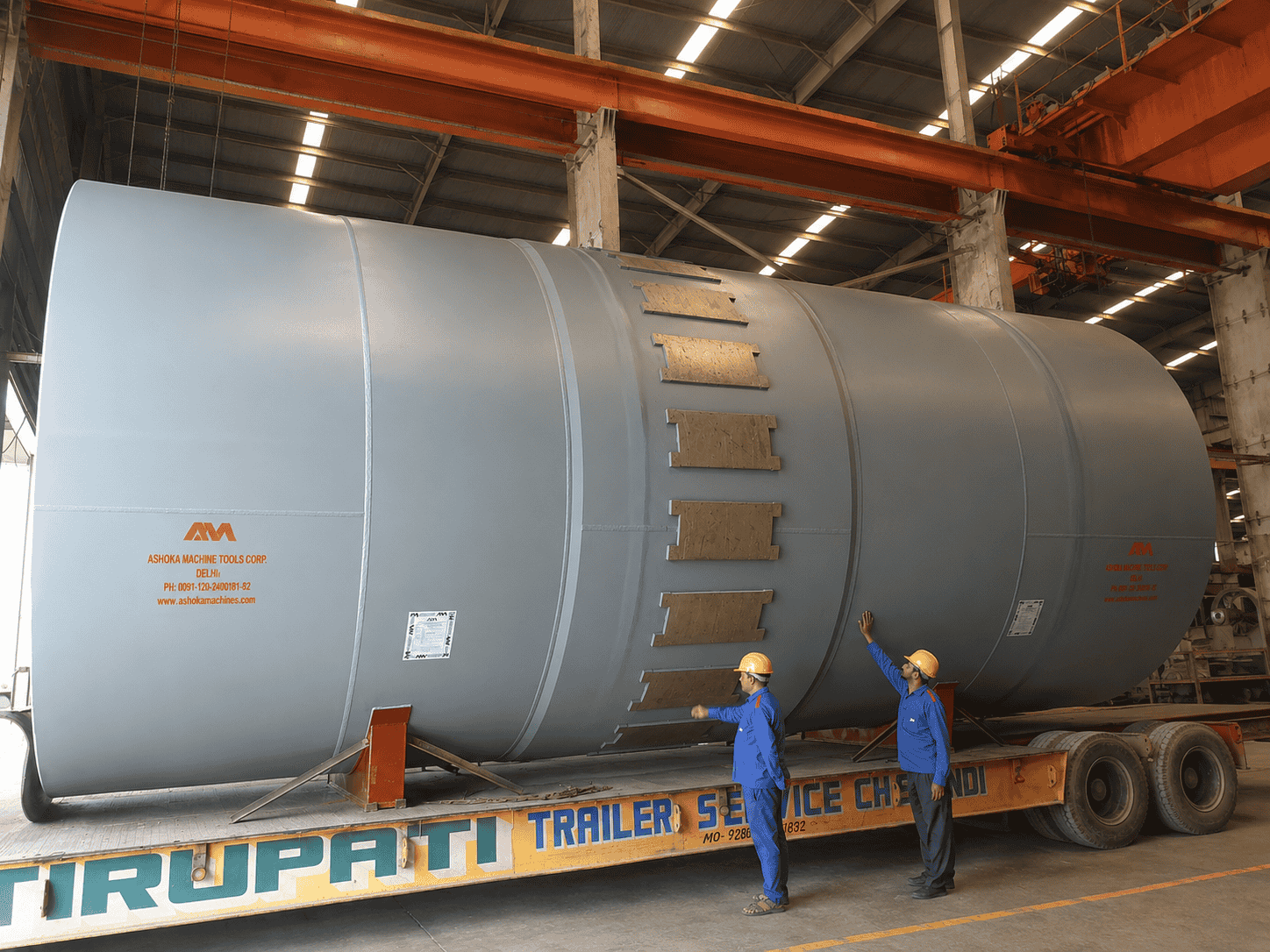
Kiln shell segments are a part of the tubular casing of a rotary kiln which is made from boiler quality graded steels. The plate of desired thickness is rolled into a cylindrical shape and then welded on the joint seam. The entire rotary kiln comprises of a number of kiln shell segments of varying lengths depending upon the total kiln length. Individual kiln shells are transported to the respective project site where they are methodically welded together. This is mainly due to the convenience in transportation as a complete rotary kiln is too large to be transported in assembled condition. The overall kiln is sized based on the process conditions, type of material processed and capacity requirements. These specifications determine the diameter, length and thickness of the kiln shells. The sections have alignment tabs welded inside the shell to hold and align the shell pieces until finally welded together after which the alignment tabs are removed. It is critical that the kiln shell be as straight as possible. It is also important that the drive components such as girth gear and kiln supporting components such as riding rings / kiln tyres and supporting rollers are to be within specified tolerances. If mismatch or misalignment occurs the life of refractory lining can be drastically reduced because of stress and deformity on the shell. If refractory lining is of insufficient thickness or missing excessive heat can cause damage to the kiln shells depending on the quantum of heat. Even under normal operation the heat released requires the kiln to stay continually rotating. If the kiln stops rotating, it can sag in between the support rollers. It is a common practice to replace kiln shell sections which are damaged beyond repair. This requires the existing shell to be supported while the section is replaced.

Manufacturing Capacity

ASHOKA can supply kiln shells up to following sizes:
• Maximum diameter- 6.0 m
• Rolling capacity- 100 mm thickness x 3.0 m width
• Lifting capacity- 75 MT Single Piece

Material of Construction

It is of vital importance that the kiln shells be manufactured from high and continuous heat-resistant steels like boiler quality plates (BQ). The following boiler quality steel grades are most commonly used for kiln shells:
• IS 2002 Gr II / III (Indian)
• SA 516 Gr 60/65/70 (American)
• JIS G 3118 (Japanese)
• PG 235GH (German)

Kiln Shell Manufacturing

ASHOKA offers most suitable manufacturing facilities for manufacturing of kiln shells and other kiln spares. The following are some highlights of the manufacturing process undertaken at our works:
• Submerged arc welding (SAW) techniques are used for seam and other welding joints
• Automatic tower and boom welding arrangement for fully automated welding
• 100% UST weld joints can be provided
• Radiographic tested weld joints can be provided
• Quality checks as per third party approved WPS procedures
• Machined edge preparations
• In house machining of shells with chair pads and riding rings / kiln tyres in assembled condition if required.

Frequently Asked Questions

We primarily serve the oil & gas, energy, and resource extraction industries. Our expertise spans exploration, offshore drilling, processing management, and asset maintenance, making us a comprehensive partner for end-to-end operations.

We follow strict international safety standards, implement advanced monitoring systems, and conduct regular risk assessments. Our teams are trained in emergency response and operational best practices to ensure safe and efficient drilling in complex environments.

We utilize modern tools such as seismic imaging, geological modeling, and data analytics to assess site viability and resource potential. These technologies help us make informed decisions and optimize development strategies.

We enhance efficiency by optimizing system design, integrating automation, and continuously monitoring performance. This allows us to increase output, reduce waste, and maintain consistent product quality while adhering to safety standards.

Our services include preventive and predictive maintenance, real-time equipment monitoring, inspections, and lifecycle management. These measures help reduce downtime, extend asset life, and ensure reliable long-term operations.